
Birthplace & Native Region
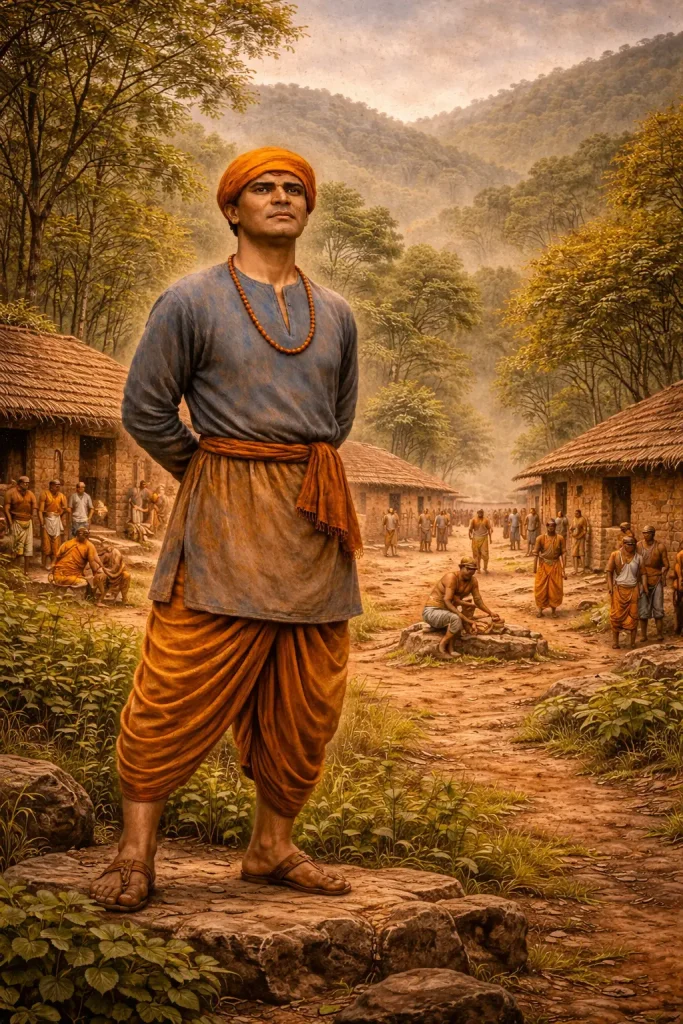
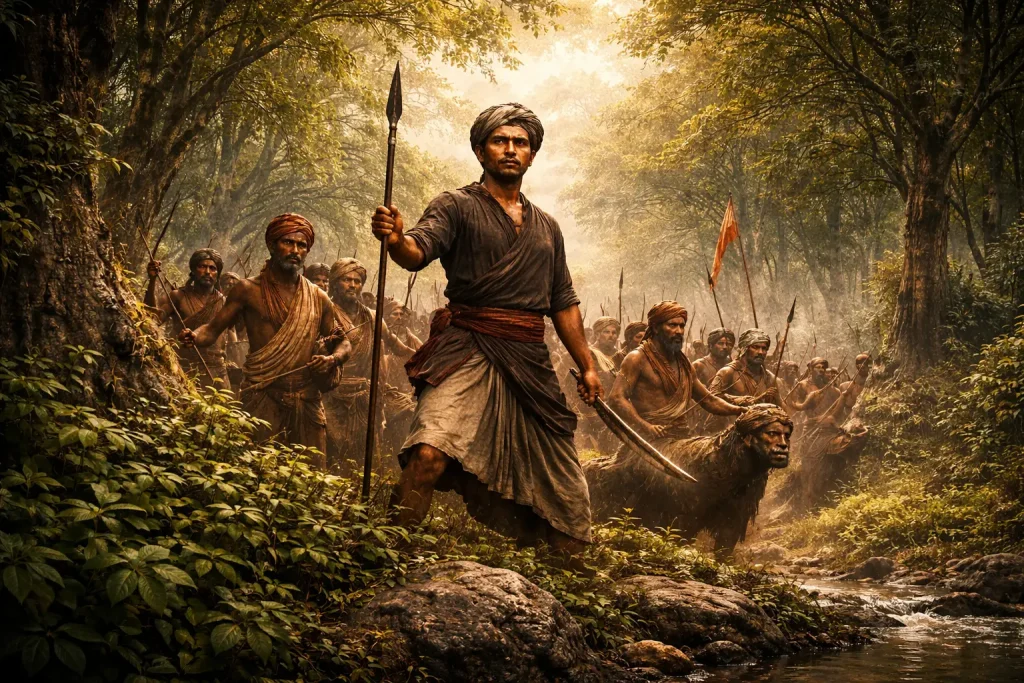
The surrounding tribal areas were rich in natural resources, especially sal forests, streams, and grazing lands that supported both livelihood and cultural practices. Forests were not merely economic assets—they were sacred spaces tied to spiritual rituals, seasonal festivals, and ancestral identity. Community decisions were often taken collectively, reflecting indigenous governance systems based on cooperation and mutual respect.
Sites of Resistance
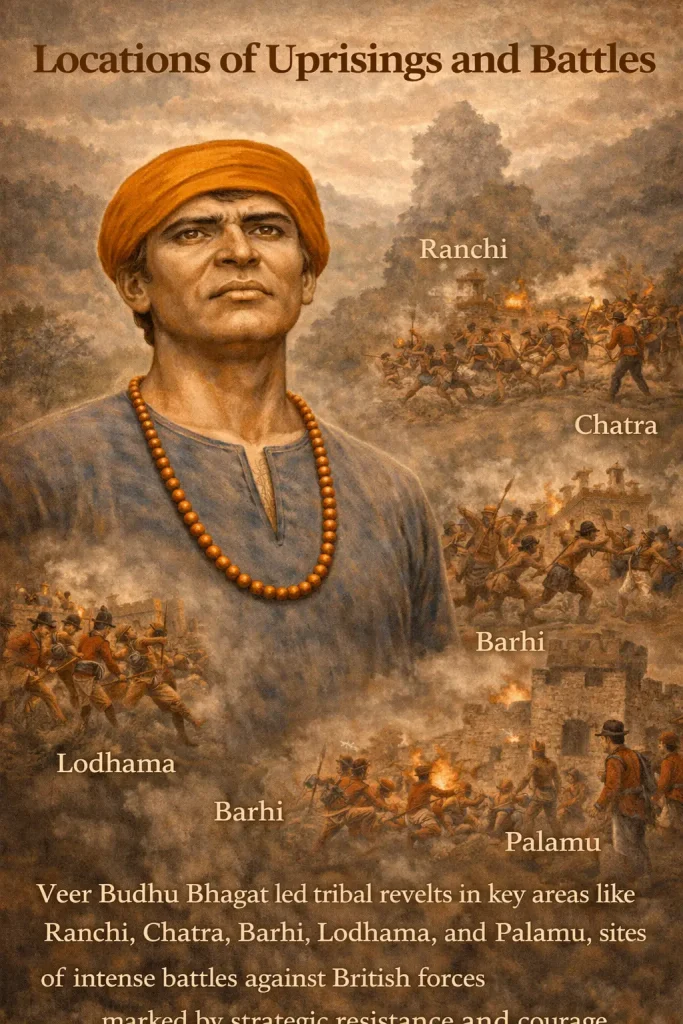
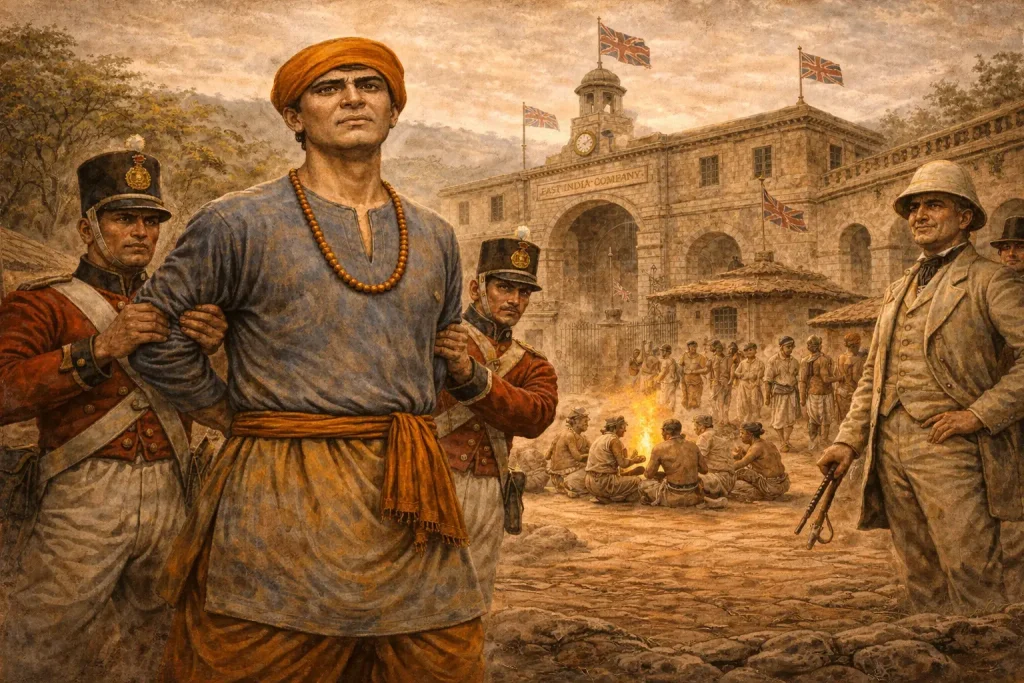
Ranchi and its surrounding areas became important centers of confrontation, as British administrative influence was strongly established there. Tribal groups targeted symbols of colonial control, including revenue offices and allied local authorities. The uprisings in these regions demonstrated organized resistance rather than isolated protests.
Memorial & Visit Guide
Memorials dedicated to Veer Budhu Bhagat stand as powerful reminders of his courage and sacrifice during the tribal uprising of the early nineteenth century. These sites are not only places of tribute but also centers of cultural remembrance, where local communities gather to honor his legacy. Statues, commemorative plaques, and public installations in parts of Jharkhand serve as symbols of pride, reflecting the enduring respect for his leadership and resistance.
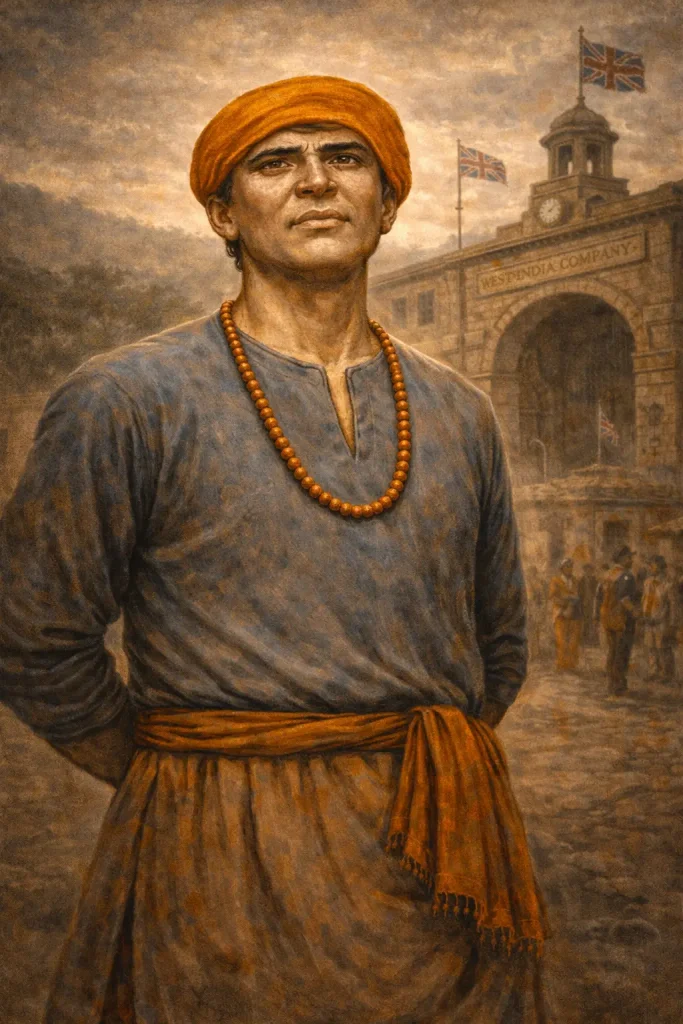
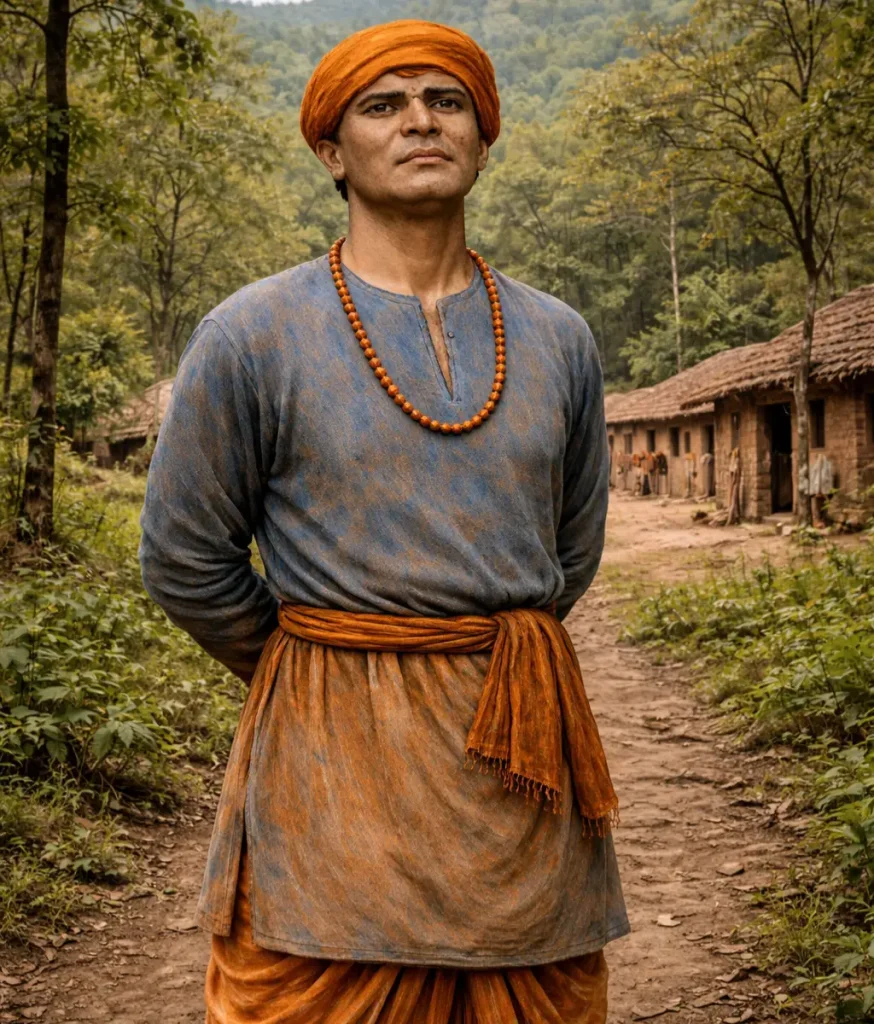
Visitors to these memorial sites often experience a strong sense of historical connection. The statues typically depict him in traditional attire, standing firmly with a determined expression that represents strength and defiance. Surrounding areas may include landscaped grounds, open gathering spaces, or nearby cultural centers where community programs and remembrance events are held. During significant anniversaries, especially his martyrdom day, these locations become vibrant with floral tributes, cultural performances, and speeches that recount his contribution to tribal resistance.
When planning a visit, it is recommended to explore nearby villages and forested landscapes that reflect the environment in which he lived and led the uprising. The Chotanagpur region, with its rolling hills and sal forests, provides deeper context to his story. Engaging with local communities, listening to oral histories, and observing traditional customs can enrich the experience beyond the physical memorial itself.
Visitors are encouraged to approach these sites with respect, recognizing their importance to tribal identity and heritage. Photography is generally permitted, but participation in local commemorations should be done thoughtfully and with cultural sensitivity. Supporting local artisans and community initiatives also contributes to preserving the legacy associated with these memorials.